
Collection: Chainsaws & Log Splitters
-
79cc 2 HP Gas Engine, Gas Motor EPA & CARB Certified, 4 Stroke OHV Horizontal Shaft with Recoil Start
Vendor:BILT HARD
Regular price $139.99Regular priceUnit price per$139.99Sale price $139.99 -
LOG-X Series 35-Ton Full Beam Gas Log Splitter: 10hp 301cc OHV Engine, 23" Stroke
Vendor:bilthard
Regular price $1,649.99Regular priceUnit price per$2,649.99Sale price $1,649.99 -
BILT HARD 6.5-Ton Electric Log Splitter – 15Amp Hydraulic Motor, Splits Logs up to 20.5", Great for Home Use & Seniors
Vendor:bilthard
Regular price From $359.99Regular priceUnit price per$459.99Sale price From $359.99 -
LOG-X Series 30-Ton Full Beam Gas Log Splitter: 7.5hp 223cc OHV Engine, 22.6" Stroke
Vendor:bilthard
Regular price $1,549.99Regular priceUnit price per$2,599.99Sale price $1,549.99 -
BILT HARD 212cc 7HP Gas Engine – 4-Stroke OHV with 3/4" Horizontal Shaft, Reliable Replacement for Honda, Yamaha, Kohler, Briggs & Stratton
Vendor:bilthard
Regular price $179.99Regular priceUnit price per$199.99Sale price $179.99 -
7-Ton 15Amp Electric Wood Log Splitter DB6407
Vendor:PowerSmart
Regular price $379.99Regular priceUnit price per -
20V 12" Cordless Chainsaw w/ Battery & Charger PS76122A
Vendor:PowerSmart
Regular price $109.99Regular priceUnit price per -
BILT HARD 6.5-Ton Electric Hydraulic Log Splitter with Stand – 15Amp Motor, Splits Logs up to 20.5", Perfect for Seniors & Home Use
Vendor:BILT HARD
Regular price $409.99Regular priceUnit price per$499.99Sale price $409.99 -
301cc 10HP Gas Powered Engine, Horizontal 4 Stroke OHV Gas Motor, Shaft 1" Diameter, 3.48" Length, 1/4" Keyway
Vendor:BILT HARD
Regular price $339.99Regular priceUnit price per$359.99Sale price $339.99 -
LOG-X Series 20-Ton Gas Log Splitter: 7hp 209cc OHV Engine, 19" Stroke
Vendor:bilthard
Regular price $1,099.99Regular priceUnit price per$1,199.99Sale price $1,099.99 -
BILT HARD 18" Gas Chainsaw, 46cc 2-Cycle Engine with Auto Oiler – Powerful Wood Cutting Tool
Vendor:bilthard
Regular price $149.99Regular priceUnit price per$169.99Sale price $149.99Sold out -
15Amp 18" Corded Chainsaw (Tool Only) PS8218
Vendor:PowerSmart
Regular price $99.99Regular priceUnit price per -
LOG-X Series 40-Ton Full Beam Gas Log Splitter: 13hp 389cc OHV Engine, 23" Stroke
Vendor:bilthard
Regular price $2,099.99Regular priceUnit price per$2,999.99Sale price $2,099.99Sold out -
LOG-X Series 25-Ton Full Beam Gas Log Splitter: 7hp 209cc OHV Engine, 23" Stroke
Vendor:bilthard
Regular price $1,299.99Regular priceUnit price per$1,699.99Sale price $1,299.99Sold out -
BILT HARD 22" Gas Chainsaw, 56cc 3.1HP 2-Cycle Engine, Auto Oiler, Powerful Saw for Tree Felling & Firewood
Vendor:bilthard
Regular price $159.99Regular priceUnit price per$189.99Sale price $159.99Sold out -
BILT HARD 420cc 15HP Gas Engine with Electric Start - Horizontal Shaft, Compatible with Honda GX390, Briggs & Stratton, Kohler, Yamaha Engines
Vendor:bilthard
Regular price $429.99Regular priceUnit price per


Chainsaws & Log Splitters
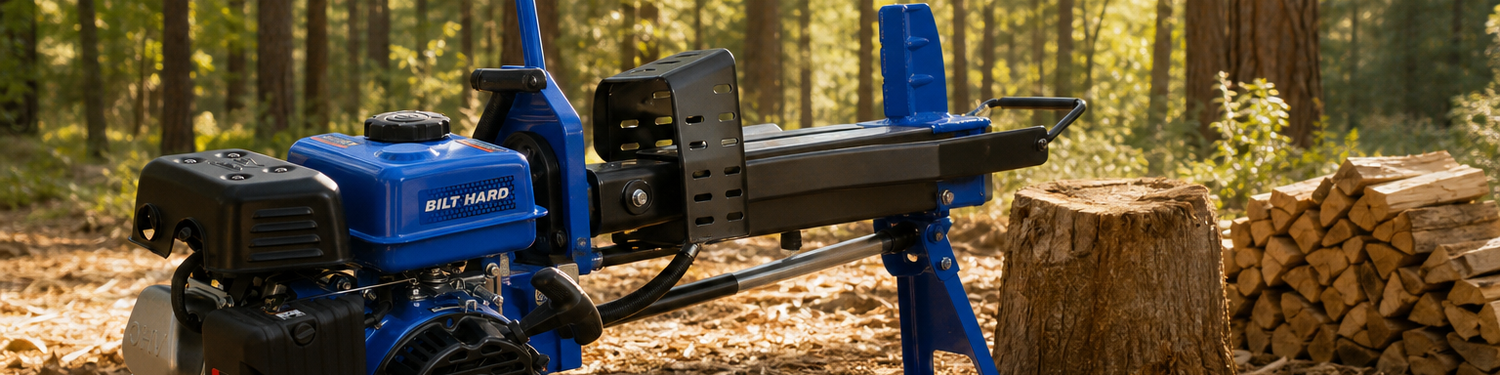
Cutting and splitting firewood used to be a weekend. With the right chainsaw and log splitter, it's an afternoon. This collection brings together every chainsaw and log splitter pairing a residential property actually needs — from a quiet 20V cordless saw for limbing the apple tree to a 40-ton gas hydraulic splitter that turns a green oak round into stove-ready quarters in one stroke.
Shop BILT HARD gas chainsaws in 18" (46cc) for limbing and storm cleanup, and 22" (56cc) when you're felling or bucking real firewood. The 20V cordless 12" saw and the 15A corded 18" chainsaw round out the lineup for quick yard tasks where you'd rather not mix two-stroke fuel. On the splitting side, 6.5-ton BILT HARD electric hydraulic models are the right starting point for a homeowner processing a single cord, and they plug into a standard 120V outlet. Step up to LOG-X Series gas splitters in 20, 25, 30, 35, and 40 tons when you're working green hardwood, knotty rounds, or producing several cords a season. Replacement gas engines (79cc, 212cc, 301cc, 420cc) keep older equipment in service.
Once the logs are split, our wood chippers handle the brush, and the broader forestry & winter lineup covers snow blowers and seasonal cleanup. Before you fire up a saw, the OSHA chainsaw safety eTool is the single most useful 10-minute read in this category — kickback, PPE, and felling cuts in plain language. For a deeper dive into bar oil, chain pitch, and sharpening intervals, the Wikipedia overview of chainsaws is a solid primer.
Pick the saw, pick the splitter, then stack the wood. Explore the full chainsaws and log splitters collection and put up a winter's worth of firewood without the weekend disappearing.